Category: Payabli

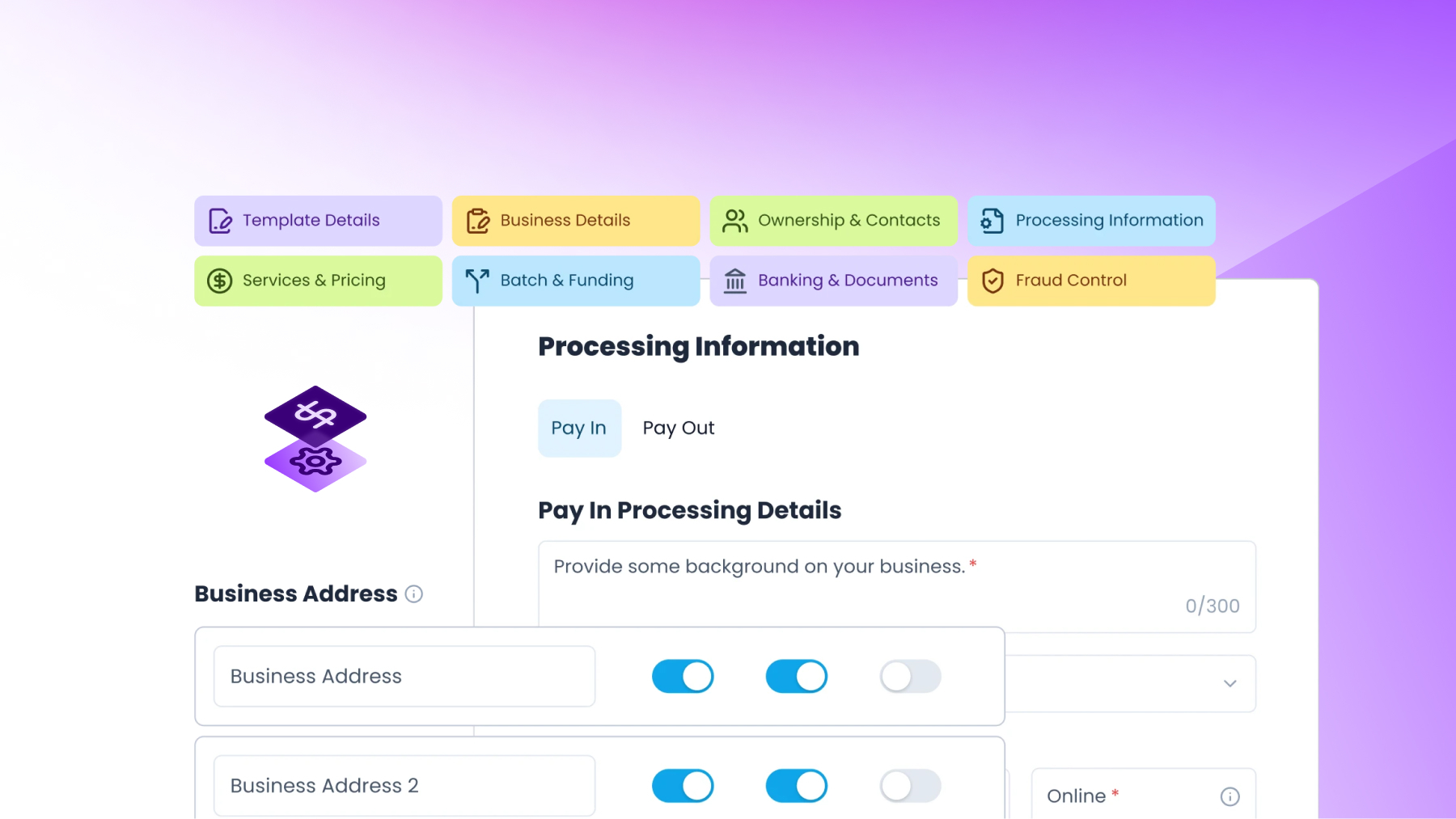
Risk as UX: Turning Risk Management Into Better Merchant Experiences

Every vertical SaaS company faces the same challenge: balancing growth with trust. As you embed payments directly into your platform, how you manage risk and fraud detection isn’t just a compliance concern – it’s a strategic choice that shapes your user experience.

When risk management becomes part of your embedded payments experience – not a barrier to it – everything accelerates. Onboarding moves faster. Merchants activate sooner. Platforms build lasting trust.

At Payabli, we believe risk is not a cost center – it’s an intelligence layer that fuels confident growth.

Our Pay Ops technology turns that intelligence into a competitive advantage – making risk visible, configurable, and actionable across the entire embedded payments journey, from onboarding to payment acceptance.

From Rules to Models: The Evolution of Risk Management

Most payment fraud detection systems start with static, rules-based monitoring – velocity checks, blocklists, or simple IP/geographic flags. Useful, but blunt. Modern risk management strategies require more intelligence.

Our Pay Ops solutions take that foundation and layers in machine learning–driven risk scoring, contextual policy orchestration, and agentic automation to transform risk from a reactive process into a proactive experience layer.

This proactive approach starts the moment a merchant within your platform signs up. By embedding intelligent risk evaluation into onboarding, SaaS platforms can verify, segment, and activate merchants confidently – minimizing fraud while maximizing flow.

Beyond Transactions: Risk Management Strategies Across the Full Merchant Lifecycle

True risk management extends far beyond authorization. Payabli embeds intelligence into every stage to facilitate continuous protection for platforms that feels seamless:

Onboarding & Underwriting: Dynamically verify business data and flag risk factors in real time. Adaptive pathways fast-track trusted merchants while escalating suspicious cases for review.

Transaction Monitoring: ML-powered scoring synthesizes velocity, geo-location, and behavioral signals into explainable risk scores that dynamically approve, hold, or block.

Payout Controls: Volume-based rules monitor ACH exposure. If payouts exceed thresholds, the system holds funds or triggers review – protecting platforms without disrupting cash flow.

Continuous Merchant Intelligence: Continuous monitoring tracks chargebacks, refunds, and exposure trends. When patterns shift, automated triggers adjust rules or prompt re-underwriting.

Together, these capabilities transform your SaaS platform into a full-lifecycle risk system – one that turns risk management into a competitive advantage by aligning it directly with user experience. 

Rules Engine, Reimagined

At Payabli, we’ve built a powerful orchestration engine that allows multiple outcomes – alert, hold, block – for every transaction. Instead of rigid “yes/no” logic, our risk model dynamically adapts to behavior, generating explainable transaction records for every decision.

That same flexibility applies during the merchant onboarding process. Risk signals inform adaptive pathways: fast-tracking trusted merchants for quick approval while automatically escalating suspicious cases for review. 

The result? Smarter protection that feels invisible. This is “Risk as UX” in action, providing protection that works quietly behind the scenes.

Customizable Risk & Onboarding Policies

Every vertical SaaS platform operates differently. Payabli lets SaaS platforms define risk and onboarding policies at the organization or merchant level – tightening controls for new or high-risk accounts while allowing flexibility for established, trusted merchants.

This contextual control transforms what’s often seen as friction into a feature. Merchants feel seen and understood, while SaaS platforms maintain the guardrails that keep ecosystems healthy. Risk and experience move in sync.

Make Smarter Decisions with Risk Scores: Context You Can Act On

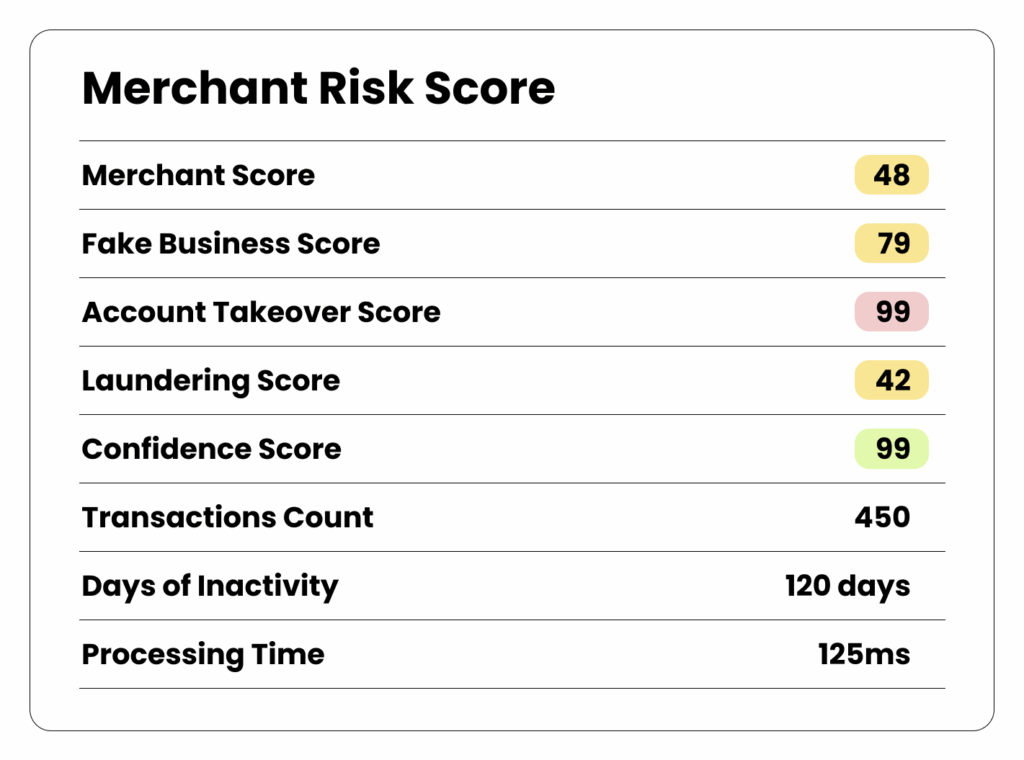
At the heart of our Payment Operations platform (Pay Ops) is our Risk Scoring Model, an advanced payment fraud detection engine that generates merchant scores and per-transaction scores to quantify potential fraud or loss.

This risk scoring approach is built from multiple layers of intelligence:

  • Transaction patterns (velocity, frequency, amount anomalies)
  • Merchant-level history (chargebacks, refunds, exposure trends)
  • Device and location signals (geo mismatch, IP diversity)
  • Behavioral and vertical data unique to each merchant’s industry

The result is an explainable, transparent score – not a black box. SaaS platforms can view sub-scores for AML risk, transaction anomalies, and fraud probability, with clear reasoning behind each outcome.

Transparency here is UX. When merchants understand why they’re being verified or approved, it builds confidence and reduces drop-off – turning compliance moments into trust moments.

Today, Payabli’s teams are shadow-scoring all transactions internally – a step toward offering these insights directly to SaaS platforms managing their own exposure and onboarding workflows.
AI-Powered Policy Creation and Triage

Managing risk across hundreds of merchants can overwhelm even the best teams – but when risk intelligence is automated, it becomes part of the experience rather than an interruption.

Payabli’s AI-driven agents continuously monitor and triage fraud alerts in real time. When potential card-testing events occur, these agents:

  • Cluster related alerts
  • Detect patterns (multiple BINs, IP variations, timing spikes)
  • Surface summarized context directly in Slack
  • Recommend actions like “hold,” “review,” or “safe to ignore”

This turns a flood of alerts into one intelligent conversation – letting human reviewers focus on what matters most. In practice, that means fewer interruptions, faster decisions, and a more seamless merchant experience from onboarding to payment acceptance.

Building the Next Layer: Risk Management as a Product

In many ways, Payabli has built its own version of Stripe Radar – but purpose-built for vertical SaaS platforms. Because our Pay Ops infrastructure is modular, platforms can decide how deeply to integrate the risk layer:

  • Base: Internal risk monitoring and fraud alerts
  • Advanced: Per-transaction risk scores and custom rule policies
  • Enterprise: Co-managed risk operations and AI-driven triage

Over time, these capabilities don’t just reduce losses – they unlock new revenue. Vertical SaaS platforms can monetize advanced merchant monitoring, loss liability protection, or transaction scoring, using Pay Ops as the engine behind it all.

Why It Matters for Vertical SaaS Platforms

Owning the full payments experience means owning the risk that comes with it – but also the trust it creates. When risk management is designed as part of the user experience, SaaS platforms can:

  • Onboard merchants faster with confidence
  • Reduce fraud losses without adding friction
  • Protect merchants through explainable, real-time risk data
  • Automate reviews to keep workflows smooth
  • Build trust through transparency and control
  • Monetize operational intelligence as a premium service

This is the future of risk management – invisible infrastructure that quietly powers exceptional experiences.

Let’s Build Your Risk Management Strategy Together

The next generation of vertical SaaS platforms will win not just by managing risk – but by embedding it into the user experience. Payabli helps you transform compliance into confidence and risk operations into growth levers. If you’re building the future of embedded payments, we’d love to help. Schedule a demo to start shaping your risk management strategy today.


Coffee with a Founder Podcast: Jo Phillips and Will Corbera of Payabl

On this episode of Coffee with a Founder, Beck Bamberger sits down with Jo Phillips and Will Corbera, Co-Founders and Co-CEOs of Payabli.

Jo and Will open the conversation by sharing their journey to founding Payabli together—from recognizing the massive gap in how software companies manage and monetize payments, to realizing they were uniquely aligned in vision, chemistry, and conviction. Their story highlights the complementary strengths that brought Payabli to life and the shared belief that fintech infrastructure needed a better, bolder approach.

They also dive into the leadership philosophies and cultural principles that fuel Payabli, walking through the company’s core values:

  • Team First: Investing in people to build a culture where everyone loves showing up each day.
  • Customer Love: Wooing customers so fully that they feel compelled to write love letters.
  • Small Giant: Prioritizing purpose and long-term thinking as Payabli grows sustainably.
  • Run to the Fire: Leaning into hard problems and doing the right thing, even when it’s tough.
  • Bias for Action: Moving with urgency and never postponing what can be done today.
  • Little Things Count: Elevating the Payabli experience through thoughtful, detail-driven touches.
  • Punch Above Our Weight: Using nimbleness as a strategic advantage—and competing with confidence.
  • Truth Seekers: Valuing honesty, accountability, and open communication over ego.

Throughout the episode, Jo and Will share what personally motivates them as they navigate the highs and lows of startup life, and how these values guide them as leaders in a fully remote world.

A powerful look at the heart, mindset, and mission behind our team at Payabli.

Vendor Payouts: The Untapped Revenue Driver for SaaS

Vendor payouts aren’t a cost to manage – they’re a revenue opportunity to capture. By owning and monetizing payouts alongside payments, vertical SaaS companies can unlock new margins, deepen platform stickiness, and build durable competitive advantages.

Vendor payouts for SaaS platforms aren’t just an operational cost; they’re an untapped revenue opportunity. By owning and monetizing payouts alongside payments, vertical SaaS companies can unlock new margins, deepen platform stickiness, and build durable competitive advantages.

Most SaaS leaders obsess over how money flows in, optimizing checkout, reducing friction, and capturing every basis point of margin. But here’s the question few ask: are you leaving money on the table every time your platform sends money out to vendors?

When vendor payouts are treated as a back-office afterthought, outsourced through third parties and forgotten, a revenue stream quietly walks out the door. Every payout your platform processes is a transaction, and every transaction is a chance to capture margin, strengthen vendor relationships, and create a deeper competitive moat.

The SaaS platforms that recognize the power of embedded vendor payouts aren’t just cutting costs; they’re capturing new revenue streams, improving retention, and transforming how value flows through their ecosystems.

The Missed Opportunity Sitting in Plain Sight

Think about your vertical SaaS platform for a moment. You’ve built the central nervous system of an ecosystem – connecting buyers with sellers, customers with service providers, businesses with contractors. Money flows in when customers pay. But it also flows out when vendors get paid.

Most vertical SaaS companies have nailed the “Pay In” side – they’ve integrated payment processing, optimized checkout experiences, and captured the associated economics. But when it comes to “Pay Out“, the story is very different.  Most embedded payment providers don’t offer robust payout capabilities, if any at all – and most SaaS platforms haven’t even thought to ask for them.

This oversight in your payments strategy can come with significant costs: 

  • Missed revenue: Every payout is a transaction that could carry margin – often with higher returns than ACH, checks, or your platform’s payment acceptance revenue
  • Critical payments missed/delayed: Without reliable payout infrastructure, essential vendor payments can fail – meaning contractors don’t show up and suppliers cut off services. For your customers, unreliable payouts threaten operational continuity and their ability to keep the lights on.
  • Weakened user experience: Your customers expect seamless, modern payment experiences. Why shouldn’t your vendors? Disjointed payout processes create friction, reduce satisfaction, and weaken platform stickiness.
  • Loss of control: Managed payables limit flexibility in how and when payments are made, stripping SaaS platforms of valuable control in tailoring workflows to their verticals.

The bottom line? Every vendor payment is an opportunity to earn revenue, strengthen your platform, and deliver a better customer experience.

How Vendor Payments Actually Generate Revenue

Here’s what most SaaS leaders don’t realize: vendor payments aren’t just about moving money from Point A to Point B. They’re about how you move it – and each method carries its own revenue opportunity:

  1. Virtual CardsThe highest revenue generator.
    • Vendors are paid via a single-use, digital credit card number. SaaS platforms earn interchange revenue on these transactions, which can be significant. Virtual cards also deliver faster settlement and added security.
  2. ACH TransfersA balance of speed and cost.
    • ACH is often preferred for recurring vendor relationships. While margins are lower than virtual cards, SaaS platforms can still monetize ACH through per-transaction fees or premium options like same-day ACH.
  3. ChecksLegacy, but still relevant.
    •  Though less efficient, some vendors prefer checks. SaaS platforms can capture margin through check-issuance fees while meeting vendors where they are.

By offering all three methods – and capturing economics from each – you transform vendor payments from a cost center into a profit center. You generate new revenue from every dollar flowing out while giving vendors the flexibility, speed, and choice that builds loyalty.

Why Payabli Is Different

Most payment providers focus on one side of the transaction: Pay In or Pay Out. Even those that claim to do both typically treat payouts as an afterthought – just wiring funds, sending checks, or pushing an online payment – forcing SaaS platforms to give away both the economics and the experience.

Payabli was purpose-built to solve this. We unify Pay In, Pay Out, and Pay Ops under a single infrastructure stack, giving SaaS platforms full ownership of the transaction lifecycle:

  • Pay In:  Accept payments seamlessly across cards, ACH, and alternative methods with optimized conversion and modern checkout experiences.
  • Pay Out: Automated, streamlined disbursements to vendors and suppliers via virtual cards, ACH, and checks.
  • Pay Ops: The back-office intelligence that ties it all together, from reconciliation to reporting to compliance.

This unified approach doesn’t just simplify operations. It fundamentally changes your platform’s economics by letting you capture—and keep—margin on both sides of every transaction.

The SaaS Platforms That Will Win Tomorrow Are Monetizing Vendor Payments Today

The future of SaaS isn’t about building better workflow tools. It’s about becoming essential financial infrastructure. The platforms winning tomorrow won’t just help their users work—they’ll control how money moves through their entire ecosystem.

Vendor payments are how you make that shift.

When you own payouts, you’re not just adding a feature. You’re fundamentally changing your relationship with customers. You become the platform they can’t leave – because leaving means rebuilding their entire financial operation. That’s not stickiness. That’s gravity.

The question isn’t whether to own this opportunity. It’s whether you’ll act before your competitors do.

Ready To Turn Payouts Into Profit?

With Payabli, SaaS platforms finally have the infrastructure to monetize both sides of the transaction journey – turning what was once back-office plumbing into a powerful engine for growth. Book a demo today to learn how Payabli can help you capture the vendor payment opportunity before your competitors do.

The Silent Shift: How AI Is Transforming Embedded Payments

“We won’t see a singular moment where AI ‘takes over.’ It’s already happening—gradually, silently—and by the time we realize it, it’ll be everywhere.”
Johnny Mejias, Head of Engineering at Payabli


The Invisible Transformation

While headlines debate whether AI will revolutionize finance, SaaS platforms are already experiencing the quiet reality: it already has. Every time your users receive payment suggestions during onboarding, invisible AI is working in the background. This includes blocking fraud attempts and automatically handling overnight reconciliation. It protects your platform’s reputation and lowers your support burden.

The most profound technological shifts don’t announce themselves loudly. They embed themselves so seamlessly into your platform that you only notice their absence. In embedded payments, this invisible transformation is reshaping how SaaS platforms monetize and serve their customers in ways that drive both revenue and retention.

Common Misconceptions About AI in Fintech

AI is transforming embedded payments, but the conversation is often clouded by myths and misunderstandings. Let’s break down the most common misconceptions and explore the real potential of AI in payments:

Misconception #1: AI in embedded payments is just about chatbots and customer-facing features.

“People often frame AI in payments only through the lens of payers and merchants. But the bigger opportunity is how it protects and optimizes the relationship between businesses themselves.”  — Johnny Mejias, Head of Engineering at Payabli

The reality is far more sophisticated. Customer-facing AI gets a lot of attention. However, the real change happens at the platform level. Here, invisible AI improves your operational intelligence, strengthens compliance monitoring, and optimizes resource use.

Consider how AI enables your payment infrastructure to automatically detect unusual transaction volume spikes across your merchant base, predict which integrations might fail based on historical patterns, and dynamically allocate processing resources before your users experience bottlenecks. 

Instead of hiring additional analysts to monitor thousands of transactions manually, AI systems can flag anomalies, prioritize support tickets by urgency, and even suggest resolution paths. This changes your support model from reacting to problems to improving the platform before issues arise.

Misconception #2: AI must be visible to be valuable.

“AI is quietly reshaping payments behind the scenes—automating risk checks, streamlining onboarding, and reducing fraud—all without anyone needing to click a button.” — Reilly Catrambone, Software Engineer at Payabli

The most effective AI implementations in payments are the ones your users never interact with directly. Consider address auto-completion during merchant onboarding. When your users start typing “123 Main St” and your platform instantly suggests the full address with zip code – that’s AI working invisibly. 

Your merchants experience faster onboarding and reduced friction, but the machine learning models powering that suggestion engine remain completely hidden, seamlessly integrated into your existing UX.

At Payabli, we take the same approach internally. Tools like Amigo, our chat-based AI assistant, work behind the scenes to help our internal teams gather insights, simplify workflows, and speed up response times. This layer of invisible AI is made to help humans, not replace them. It shows that some of the best innovations are the ones you cannot see.

Misconception #3: All AI payment solutions are created equal.

“Our advantage is in the depth of our data. We don’t just have transaction volume—we understand vertical nuance. That’s what lets our models make smarter, context-aware decisions.” — Alex Finan, AI Engineer at Payabli

Many SaaS platforms think that AI features are the same. They believe one machine learning model is just as good as another. The reality is that AI is only as intelligent as the data it learns from and not all payment providers have the same quality of training data.

While the broader payments industry races to implement AI features, at Payabli we focus on depth over breadth to leverage unique data advantages to build more intelligent, context-aware systems that understand your specific vertical needs. 

This vertical-specific intelligence means our AI doesn’t just process your transactions – it understands the business context behind them. Where generic payment processors see transaction volume, we see the relationships, workflows, and patterns unique to your industry, enabling more accurate risk assessment and better user experiences for your specific customer base.

The Vertical Intelligence Advantage

While many providers rely on one-size-fits-all AI models, the real impact comes from context-aware intelligence tuned to the realities of each vertical. SaaS platforms don’t operate in generic payment flows. What looks normal in field services might appear risky in healthcare, and vice versa.

Real-World Applications Across Verticals:

  • Healthcare SaaS: Detect subtle anomalies in patient billing cycles, reduce false declines on recurring reimbursements, and enforce compliance checks without friction.
  • Field Services SaaS: Predict seasonal payment spikes, optimize mobile transactions, and prevent fraud tied to technician misuse.
  • Education Platforms: Align AI to academic calendars for recurring tuition payments, minimizing payment failures and reducing disputes.
  • HOA & Property Management: Forecast cash flow gaps, identify at-risk homeowners before they miss payments, and trigger proactive reminders to maintain financial stability.

Platforms that pair data depth with vertical nuance will lead the way in embedded payments. At Payabli, this focus shapes how we apply AI to fraud prevention, reconciliation, and revenue optimization – helping platforms deliver smarter, more resilient payment experiences.

What’s Next: AI Capabilities That Will Redefine Embedded Payments

Looking ahead, several AI capabilities are poised to fundamentally reshape how embedded payments work:

1. Automated Operations and Reconciliation

“AI is going to change the game when it comes to reconciling payments with bank flows. We’re talking about full automation of operations that used to require the work of entire teams.” — Johnny Mejias, Head of Engineering at Payabli

Traditional reconciliation requires manual review of transaction records against bank statements—a process prone to delays and errors. AI-powered systems can automatically match payments, identify discrepancies, and resolve most issues without human intervention. This isn’t just about efficiency; it’s about enabling real-time financial accuracy at scale.

2. Intelligent Risk Management & Fraud Agents

The next evolution in AI fraud detection goes beyond pattern recognition to proactive risk orchestration. AI agents will analyze transaction characteristics, merchant behavior, and external signals to make risk decisions in milliseconds. Whereas today, these decisions need skilled analysts and hours of work. By analyzing millions of transactions, these systems learn what “normal” looks like across different verticals, enabling instant response to anomalies.

At Payabli, we’re already implementing this vision through our advanced Fraud Risk Engine, which combines rule-based controls with machine learning models for both supervised fraud detection and unsupervised anomaly detection. The system automatically enforces dynamic transaction limits, velocity checks, and risk parameters while learning from each interaction to improve accuracy. 

What makes this powerful for SaaS platforms is the ability to customize AI fraud detection. This can be done for each partner or industry. It ensures that your platform’s unique risks are understood and protected without causing problems for real transactions.

3. Self-Service User Empowerment

“In five years, embedded payments won’t just be about moving money. It’ll be about giving merchants self-serve tools powered by AI to grow on their own.”
Ankita Chowdhry, AI Product Lead at Payabli

The future of embedded payments extends beyond transaction processing to business intelligence and growth enablement for SaaS platforms. AI will provide your platform with insights about payment patterns across your user base, optimization recommendations for improving conversion rates, and automated tools that help both you and your merchants improve cash flow and customer experience without additional development resources.

Join the Conversation

The AI transformation in embedded payments is far from complete. As AI technologies mature and new capabilities emerge, the most successful platforms will be those that prioritize thoughtful implementation over flashy features.What’s the biggest AI shift you see coming in payments? Tag us @Payabli to join the conversation and shape the future of intelligent payment infrastructure.

Curious how it’s already transforming the industry? Book a demo to see AI-powered payments in action.

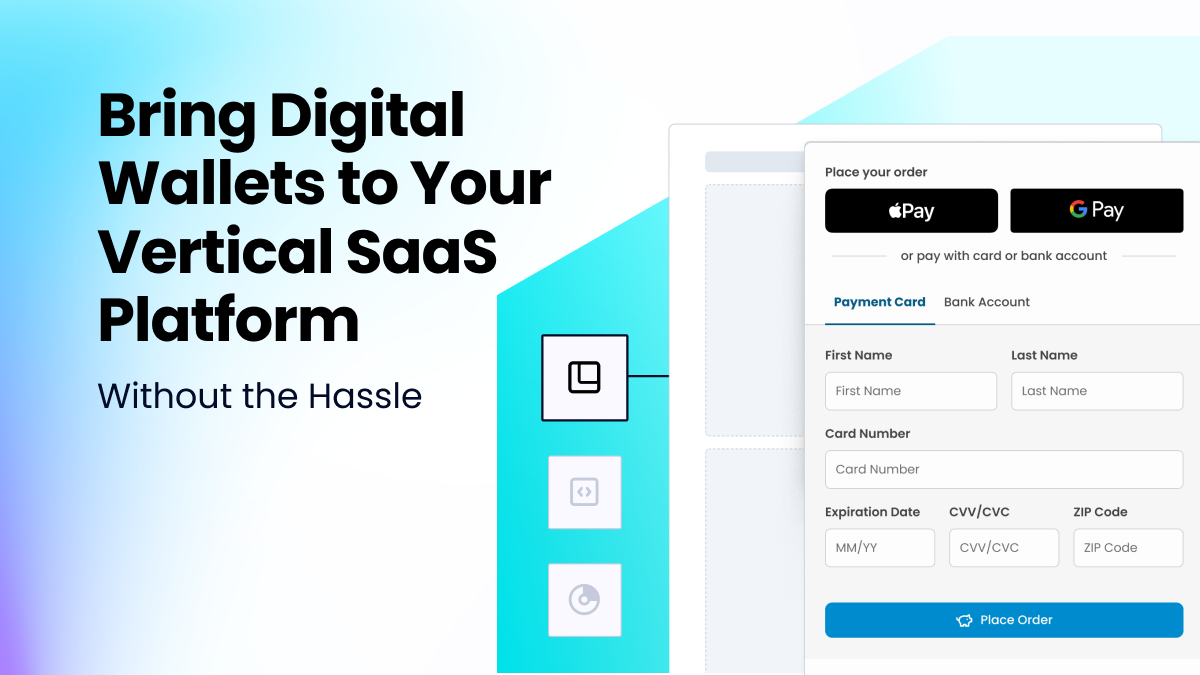
Bring Digital Wallets to Your SaaS Platform – Without the Hassle

Apple Pay and Google Pay are table stakes. But embedding them into your vertical SaaS stack? That’s where Payabli gives you the edge.

Online checkouts are evolving, and fast. Your SaaS platform’s customers and their end users expect the ability to pay with popular digital wallets like Apple Pay and Google Pay. The question is not whether your platform should support digital wallets. It is about how quickly and easily you can do this, without putting extra work on your team or delaying your roadmap.

Most providers make digital wallet integrations harder than they need to be. Payabli doesn’t.

The Invisible Work of Wallets: Why Most Solutions Fall Short

Bringing Apple Pay and Google Pay to your SaaS platform usually comes with a heavy list of technical requirements:

  • Complex key and certificate management
  • Manual merchant onboarding
  • Integration of encryption libraries
  • Custom API work and PCI-level configurations

It’s not just a checklist—it’s an obstacle course.

While others give you the tools and walk away, Payabli handles the entire digital wallet stack on your behalf. As a registered Payment Service Provider (PSP) for Apple Pay and Google Pay, we handle the hard work for you so you don’t need to build, manage, or maintain it yourself.

Think of Payabli as your digital wallet infrastructure-as-a-service—built for scale, speed, and simplicity.

Digital Wallets, the Payabli Way: A New Standard of Simplicity

Payabli is redefining what it means to support Apple Pay and Google Pay for browser-based, card-not-present transactions. Here’s how:

One Step, Platform-Wide Enablement

Activate wallets across all merchants at once, with new merchants automatically onboarded. No extra work required.

Fully Abstracted, Fully Managed

With our low-code digital wallet solution, we handle key management, encryption, tokenization, and certificate handling. This means you or your developer teams don’t have to manage burdensome configurations, libraries, or compliance tasks.

Secure & Compliant by Default

Every wallet transaction is PCI Level 1 compliant, encrypted, and tokenized out of the box. No security shortcuts, no risk of falling out of scope.

Fastest Way to Start Accepting Digital Wallets

Start accepting wallet payments in under one week with Hosted Payment Pages – no code required. Want a more integrated experience? Our low-code Express Checkout UI with embedded components gets you live in as little as two weeks.

Built-In Advantage: What PSP Status Means for You

Most solutions require the SaaS to own and operate the technical plumbing for Apple Pay and Google Pay. This includes acting as the Merchant of Record, registering for digital wallet programs, and managing cryptographic keys—none of which are fast or easy.

Because Payabli is a registered PSP of Apple Pay and Google Pay, we handle this for you.
No waiting on approvals. No merchant-specific configurations. No friction.

Your team stays focused on building products. We take care of the rest.

Get Started Today – Deliver the Checkouts Your Merchants Expect

Enabling digital wallets shouldn’t feel like a build-your-own adventure. With Payabli, you can deliver the modern, embedded payment experience your merchants want—fast, securely, and without any technical overhead.

Contact our team today to get started — or explore our developer docs to see how easy integration can be.

Remote Deposit Capture for SaaS: Modernize Check Payments

While digital payments like cards and ACH are on the rise, many businesses across industries still rely heavily on checks. Paper checks remain a common payment method across SaaS verticals like field services, property management, legal, and healthcare—yet most platforms lack the tools to manage check deposits digitally. That’s where remote deposit capture comes in: it enables businesses to scan and deposit checks electronically, streamlining a historically manual process and helping platforms modernize check acceptance alongside digital payments.

Payabli’s Remote Deposit Capture (RDC) solves this problem by embedding check scanning and depositing directly into your software platform. With RDC, your merchants can capture and deposit checks without leaving your application—improving cash flow, reducing errors, and consolidating all payment data in one place.

What Is Remote Deposit Capture?

Remote Deposit Capture is a technology that enables users to scan and deposit checks digitally using a mobile device, desktop scanner, or tablet. Instead of physically visiting a bank or relying on manual uploads, RDC streamlines the check deposit process and allows deposits to be initiated from within your software.

With Payabli’s RDC, platforms can embed this capability into their existing UI, giving merchants a faster, simpler way to manage check payments while keeping all transactions—cards, ACH, and checks—within a single system.

Benefits of Remote Deposit Capture with Payabli

Faster Deposits
Cut time-to-cash by more than 60%. Checks that once took up to 8 days to clear can now be deposited and processed in just 2–3 days.

Embedded Check Capture
Offer a seamless user experience with white-labeled check scanning built directly into your software. Merchants can capture and deposit checks using their mobile phone, desktop, or tablet.

Image Validation & Quality Assurance
Payabli’s RDC technology ensures a ~97% image acceptance rate, minimizing errors and rejected deposits through automated image validation.

Streamlined Reconciliation
Eliminate fragmented systems. Consolidate all payment data—card, ACH, and checks—into a single platform for improved financial visibility and simplified reporting.

Developer-Friendly Integration
Go live in days, not weeks. Our clean APIs, robust documentation, and pre-built UIs make it easy to embed RDC into your platform.

Flexible Monetization
Monetize RDC by marking up ACH service fees or joining our revenue share program. Control your margins and unlock new revenue streams.

Ideal Use Cases and SaaS Verticals for Remote Deposit Capture

Payabli’s Remote Deposit Capture is ideal for B2B SaaS platforms that support industries with high check volumes and field-based operations, including:

  • Field Services and Construction
  • Property Management and HOAs
  • Legal and Professional Services
  • Healthcare
  • Nonprofit

Additional Capabilities

  • White-Labeled Experience: Match your brand with customizable UI for check capture.
  • On-Site Image Capture: Enable users to scan checks instantly from their location.
  • Upcoming X9 Support: Soon support high-value business checks above $25,000 with X9 file integration.

Why Remote Deposit Capture Matters

Many SaaS platforms already use Payabli to manage card and ACH payments. However, checks are often handled outside the platform, requiring manual deposits and creating reconciliation challenges. This disconnect leads to operational inefficiencies, slower cash flow, and increased errors.

By embedding Remote Deposit Capture, your platform becomes the single destination for all payment types—delivering a better experience for merchants and giving you a competitive edge.

Get Started Today

Ready to embed Remote Deposit Capture into your platform and modernize check collection for your users? Contact our team today to get started — or explore our developer docs to see how easy integration can be.

Top 5 Considerations for SaaS Platforms Seeking a New Embedded Payments Provider

Embedded payments is a highly strategic and critical focus for modern software platforms. Companies like Toast, Mindbody, and ServiceTitan wrote the playbook on seamlessly integrating payment functionalities within their product to enhance user experience and drive massive revenue. As technology evolves, so do the options for embedded payment providers. Unlike the early SaaS pioneers that had to cobble together multiple legacy payment partners to execute their payments strategy,  more modern superior solutions have emerged to help software companies quickly and easily embed and monetize payments. Selecting the right provider is a crucial decision, with implications for your SaaS business’s profitability, security, and customer satisfaction. With numerous factors at play, careful consideration is essential to ensure a smooth transition and continued success in the competitive landscape of SaaS. 

In this blog, we will cover the top 5 considerations SaaS platforms should consider when deciding which embedded payments provider to partner with. Check out our free checklist at the end to keep these considerations handy during your decision process.

1. Integration Flexibility

One key consideration is the integration flexibility that the payment provider offers you and your platform. When choosing your next embedded payments provider, you’ll want optionality and a partner that can meet you where you are in your payments journey. If you have full company buy-in and are aggressively resourcing for your Payments Integration and In-House Payments Business, you’ll want a partner that offers robust APIs and dev tools coupled with expert solution engineering. If you’re in a bind with your existing provider and are looking to make a switch but are strapped for resources, you’ll want a partner that can provide tools, and support a crawl, walk, run approach. Maybe you’re focused on providing an Embedded Payables solution to your customers, but wouldn’t it be nice if you could monetize Payment Acceptance with the same provider in the future?

Here are a few questions your SaaS organization should consider around integration flexibility:

  • Does the payment provider offer flexibility with API-based integrations or pre-built integration paths and their respective benefits and limitations?
  • Do they accommodate any existing business operations, infrastructure, or workflows your SaaS platform currently operates on and provide the optionality to integrate seamlessly?
  • Do they give you the choice of a self-service or guided implementation process? On either path, you’ll want to seek an embedded payments provider that offers open lines of communication during the integration process to field any real-time questions or concerns that arise.

2. Scalability and Performance

When considering a new embedded payments provider for your SaaS platform, scalability and performance should be top of mind. Here are a few things to consider when thinking about scalability and performance measures with your next payment partner:

  • Do they address the scalability challenges associated with rapid growth, change management, and increased transaction volumes? Working with a payment provider that helps you navigate change from your existing provider while keeping your business operational is crucial. You want to work with a provider that understands the potential hiccups that may occur within this process. 
  • Do they explore the opportunities to enhance revenue within your existing business portfolio? For example, are they practicing things like cost analysis around payments? Are they performing residual analysis to optimize your portfolio for key payment components like payables and receivables?
  • How long does it take to enable your sub-merchants from start to finish? For example, seeking a provider that helps streamline client acquisition with key features such as bulk boarding, and automated underwriting to get your customers boarded and transacting as quickly and efficiently as possible. 
  • Do they offer a robust infrastructure capable of handling peak loads, and advanced & efficient boarding capabilities for your customers? Consider the reliability of key payment performance measures such as uptime, transaction speed, and bandwidth to ensure uninterrupted services.

3. Security and Compliance

As a SaaS platform considering a new payment provider, prioritizing top-notch security and compliance features is essential to safeguard your operations and customer data. So, what makes a provider secure and compliant? And how can you confidently choose a provider that will securely manage and process payments on behalf of your clients? 

Consider the following:

  • Does your payment provider abide by the rules and regulations established by the PCI Council and possess the relevant industry certifications verifying this? Do they educate and work with you to better understand the compliance rules and regulations? For example, do they engage around questionnaires and work with your end users to get all the information they need or do they leave them to your organization to handle independently?
  • Do they provide advanced risk monitoring, and fraud prevention tools, and educate you on them and exactly what they mean for your business?
  • What tools and resources are provided to you around the underwriting process to ensure legitimate businesses are the only ones that process transactions through your platform? How are they ensuring bad actors are not at play?

These measures ensure a secure and compliant payment environment, protecting both your SaaS business and its customers from potential risks.

4. Customer Support

Customer support is crucial for SaaS platforms choosing a new embedded payments provider because it ensures smooth implementation, onboarding, and ongoing management of payment processes. Working with a payment provider that offers reliable support helps address technical issues quickly, minimizes downtime, and assists with integration challenges. Strong customer support enhances user experience, fosters trust, and allows your  SaaS platform to focus on its core business activities.

Here are some key questions and considerations around customer support:

  • Can the payment provider offer top-level support consistently? Are they assessing your needs from the initial phases during pre-integration and do they take a guided approach offering you the support and solutions your platform needs post-integration?
  • If your team lacks the bandwidth or expertise in payments, does the payment provider offer designated individuals available to your team to assist in streamlining your platform’s payment processes, ensuring consistency and reliability? Their expertise can mitigate errors, reduce delays, and enhance the overall efficiency of financial operations.
  • What tools, technology, and resources does the payment provider offer to support your needs?

5. Cost and Pricing Transparency

You’ll want to work with a payment partner who guides you through the right cost and pricing structures that are easily understood and help drive revenue for your SaaS business. Here are a few key areas to consider when it comes to cost and pricing transparency:

  • Does the payment provider offer the payment expertise to educate you on the complexities of cost and pricing models for your payments business? Pricing with payments can be custom to your industry – does the payment provider guide you to price competitively to your specific SaaS market?
  • What level of exposure do you get to the true cost of transactions and how willing is your provider to engage with you on this topic? Are they walking you through key pricing and cost measures including transaction fees, or interchange rates, and ensuring you are optimizing your portfolio’s revenue potential? 
  • What tools, tech, and resources are you being offered? How can your payment provider work with your specific business model, and help you save money with things like surcharging, service fees, and convenience fees?

Conclusion

Choosing the right embedded payments provider is a pivotal decision for modern SaaS companies. This decision significantly impacts your business’s efficiency, security, and customer satisfaction. By carefully evaluating key factors, you can ensure a seamless integration process and maintain a competitive edge in the SaaS landscape while scaling and monetizing your payments business.

Download our free checklist to keep these considerations in mind. 

Looking to learn more? Schedule a demo with one of our experts today.

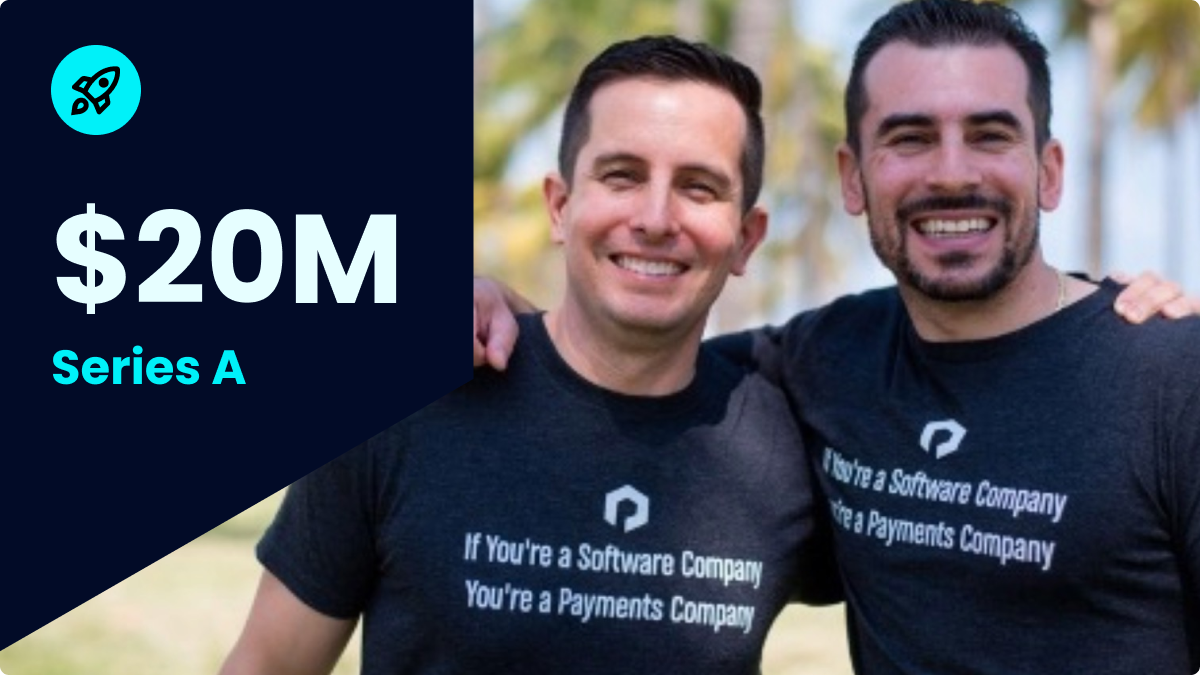
Fueling the Future: A Note from Our Founders on Our Series A Raise

It’s been a week since we announced our Series A led by QED Investors with participation from our existing investors TTV Capital, Fika Ventures, and Bling Capital. We’ve been floored by the outpouring of kindness and support from our partners, customers, team members and even competitors! While Will summed it up perfectly in his LinkedIn Post “We Haven’t Won Yet”, this is a big milestone for the company and we wanted to share some thoughts on this experience and what this means for the future of Payabli.

Otra Noche en Miami (Another Night in Miami)

When Will and I met in Miami nearly 15 years ago on a humid August night, before going out on the town, it would have been impossible to predict how our entrepreneurial journey would unfold. Who knew going salsa dancing at a Colombian club in downtown Miami would lead to a 15-year friendship and culminate in us founding Payabli. However, “connect the dots backwards” as Steve Jobs would say, and it all makes sense.

Will had already founded and was growing Revopay at the time. He was intrigued by my experience leading National Sales at Seamless and would constantly pepper me with sales strategy questions and would repeatedly tell me “Jo you have to start a business… you’re made to be an entrepreneur.” I knew from early on that if I did start a business I’d want to have Will as a partner. Our lives continued to dovetail with me heading back to LA for Business School at USC and Will moving back to LA to reunite with his Brother and Co-Founder Mike who was based in LA and co-leading Revo from the West Coast. My time at ServiceTitan was invaluable – not only did I get to help scale a category-leading vertical SaaS company, but it would ultimately lead to the inspiration to found Payabli. The success of ServiceTitan Payments illustrated for us that there was a tectonic shift of trillions of dollars of commerce migrating off of legacy ISOs and Processors and becoming embedded within vertical SaaS Platforms. Companies like Mindbody, Toast, and ServiceTitan were early to make payments a core part of their business model, but having to cobble together a fragmented payment infrastructure of legacy gateways and processors to execute a modern payments strategy was capital-intensive, time-consuming, and painful. There had to be a better way.

We founded Payabli to build what we believed the next generation of ServiceTitans’ would need. The Roofrs, BuildOps, and CurbWastes of the world were going to want a modern unified API and Infrastructure stack to quickly and easily embed and monetize payments. They’d want to have significant influence and control over not only the payment experience but also their Payments business.  They needed tools to set pricing and customize boarding flows, understand how their merchant portfolio was growing and how they could maximize their payment margin, as well as transparency into merchant settlements and exceptions like returns and disputes. The platform would need to be “Developer First” with world-class documentation and dev tooling to give convenience and simplicity to the Developer Community. They’d need omni-channel capabilities to monetize their sub-merchant’s money acceptance. They’d also need diverse products to monetize their sub-merchants’ payment issuance to vendors, sub-contractors, and employees. They’d want a flexible platform and program that scaled with their business over time. They would want to work with a team that they could trust, that understood how important customer experience was, and that knows payments are the lifeblood of their business, making it critical to get them right. Helpful advisors that wouldn’t keep them in the dark on payments but constantly educate them on how the business worked and brought forth new ideas and innovations to enhance their integration over time. They’d need and want Payabli.

Trust the Process

We bootstrapped the business to $50K in MRR. The early customers that believed in us, we will forever be indebted to and are so grateful for them giving us a shot. We didn’t intend to raise Venture but we had some opportunities with large prospects that loved our technology and team but were skittish on taking a bet on a small unproven company. We figured if we had some institutional credibility behind us it would alleviate these objections and allow us to close bigger and bigger deals. We raised our Seed Round in mid-2022 led by Fika Ventures, with  TTV Capital and Bling Capital as Co-Investors. We lucked out with our Seed Investors as each firm is composed of amazing people and bring their unique value to Payabli. As suspected, the institutional credibility helped earn the trust of new and larger customers, but also each of our investors rolled up their sleeves and were invaluable in sending us prospects, introducing us to new backend providers, and recruiting excellent talent. Over the last two years, it’s been a privilege working with and becoming friends with our amazing Seed Investors.

Coming off a successful 2023, and anticipating a big Q1, we began to prep for our Series A in January of this year. We were fortunate that we had been nurturing relationships with investors over the better part of a year and had garnered some significant interest from several firms. Given the positive experience we had with our Seed Investors we wanted to ensure our Series A investor would be equally as accretive and also have a positive impact on our culture.

We met Laura Bock at Money2020 and began to build a relationship with her and the QED Team. In our initial meeting, we could tell that Laura and QED were deeply curious about embedded payments and looking for the right company to back. Following the meeting, we were impressed by how much time they spent with us, really seeking to understand the overall Embedded Payments landscape and the unique nature of Payabli’s unified 3P offering. Each meeting was met with better and tougher questions as well as unique insights and points of view that QED had amassed given their research on the space. At the end of March, we let QED and a handful of other funds know we were going to raise and that kicked off a whirlwind fundraising process that would culminate in multiple terms sheets from incredible investors including QED within two weeks.

We recognize it’s a very difficult time to be raising capital and we are in a very fortunate position. We are extremely grateful to all of the investors who got to know us throughout this process and those who believed in Payabli enough to ask to invest. We ultimately chose to go with QED for the following reasons:

  1. Reputation in Fintech: QED invests exclusively in Fintech and has a stellar reputation and global footprint. Nigel and Frank were Fintech pioneers having built Capital One into the powerhouse it is today, and have backed multiple category-leading businesses like Credit Karma, Nubank, and Remitly.
  2. Partner Fit: Laura stayed engaged with us for many months and as we got to meet her and more of the team including Shruti we observed them “getting it” more and more. They asked better / tougher questions, brought us new intel, and gave us helpful feedback on our positioning and strategy. They also saw the value we bring in unifying the 3Ps and appeared to be all in on our thesis. They remained steadfast in their conviction for investing in Payabli and every month nudge us to remind us of their interest. The fundraising process felt like a glimpse of how it would be to work with Laura and QED, they were engaged and thoughtful, as well as easy to work with and fair throughout the negotiation process.
  3. Founder Love: We spoke with six or seven references from QED and also did quite a bit of back channeling. Time and again the Founders were extremely complimentary of QED and Laura specifically. One founder told us flat out “ You’d be crazy not to go with QED”. Founder Love was a big determinant and hearing some of our peers who were building extraordinary companies sing QEDs praises left a big impression on us.

Thank you to the entire QED Team for believing in Payabli and joining us on this exciting new chapter in our journey.

So, What’s Next?…

When we raised this round we still had about 1.5 years of runway left and had doubled revenue in a quarter. We decided to raise opportunistically to further accelerate growth, build more, and enhance our product. Here’s how we intend to use the funds.

We’re dreaming big at Payabli. We like to say we’re building the AWS of Payments where whatever payment experience a developer wants to build Payabli has myriad solutions to offer them. We’ve already built a lot of product, however, we want to continue to innovate and bring to market cutting-edge new products while maintaining reliability and scalability. We are investing heavily in more engineers and engineering leadership to ensure we’re consistently shipping new and better product. We are excited to unveil numerous new features and products coming out in the second half of 2024.

The funds will help accelerate further growth. Payabli has grown to nearly 8 figures in revenue and over a billion dollars activated processing volume off of pure cold outbound prospecting and referrals. We’re just starting to get our marketing motion in place and will be investing heavily in new marketing channels as well as further building out our small but mighty sales team. As our Product Owner Adrian Rosario likes to say “Payabli’s been all steak, no sizzle.” Well, we’re bringing the sizzle to Payabli this year.

While you’ll see more active marketing and more prominent brand awareness, we won’t turn our back on what got us here, providing great technology coupled with white-glove support and trusted advisory to our partners. We’re hiring additional Success and Operations team members to support our growing list of Partners and Sub-Merchants. We’re also bringing on more Solutions Engineers, Technical Writing, and Developer Evangelists to help our Partners integrate with us more quickly and easily. We’ve historically focused a lot on condensing the Sales and Integration Processes. We believe that a lot of the industry has neglected a critical element which is helping Partners ramp their volume by driving customer adoption once they are live. We will be investing heavily in partner marketing and enablement to help our partners not only integrate with us, but maximize their customer adoption and drive maximal revenue.

A BIG Thank You!

We’re thrilled to be in this privileged position of having raised our Series A round of funding. We are so appreciative of everyone who has helped us get to this stage. From our earliest to our newest Software partners thank you for entrusting us with such a critical part of your business and selecting us to be your partner. To our investors QED, TTV, Fika, and Bling thank you for your support,  guidance, and friendship, we couldn’t imagine not having you in our corner. To our team members from the OGs that started when we were nothing more than a dream to the new team members choosing to bet their careers on Payabli, we love you guys and thank you for being in the trenches with us every day. We haven’t won anything yet, but we intend to leverage this capital to propel us to become a category-leading Payments Infrastructure company and continue to empower the entrepreneurial economy.

Best,

Jo and Will

Leveling Up: Payabli’s 2024 Team Offsite in Miami, Florida

Last week the Payabli team swarmed the shores of Miami Beach for our bi-annual team offsite. It had been 9 months since the entire team got together for our last event in September of 2023. The team was thrilled to regroup over a jam packed 48 hours of learning, planning and bonding.

During each offsite we rally around a singular theme that’s intended to capture the team’s engagement and focus while representing what’s most prescient at the company during that time. Our first offsite in October 2022 was “Creating Magical Customer Experiences” and revolved around going above and beyond to delight our customers. Our second offsite in March of 2023 was “Finding our Why” and encouraged the team to tap into their personal motivations for being at Payabli and finding a deeper purpose in their roles and responsibilities. Our third offsite’s theme was the “Time is Now” and prepared our team for the anticipated growth we would be experiencing in Q4 23 and Q1 24 – ensuring we were prepared to rise to the occasion.

This offsite’s theme was “Leveling Up: this is HOW we do it”. Whereas previous offsites revolved around the “What?” and the “Why?” about Payabli, this offsite specifically focused on execution and “How?” we will transition from a high potential startup to a category leading Scale Up over the next few quarters. We aimed to inspire our team members to work harder, dream bigger, and achieve more throughout the year and beyond.

Day 0: The Storm 

Events can be nerve wrecking because there are discrete moments in time that require balancing so many potential externalities; so much precision is needed in order for an event to be a success. Luck would have it that the entire team would be traveling to Miami during a “Tropical Depression.” Wednesday was a stressful day with myriad flight cancellations, team members being rerouted to airports hours away from Miami and needing to drive into the location in the wee hours of Thursday morning. Not to mention completely flooded streets, and our hotel losing power for nearly 12 hours!

While this could have been a show stopper for our offsite, the team rallied and exhibited incredible resilience and positivity during the challenging travel impediments and inconveniences. Some team members ended up arriving at the hotel at 4am and were still able to make it for our kick-off at 9am on Thursday. What started off as a horrendous beginning ended up creating this incredible solidarity among the team and actually made Thursday that much sweeter. We know there will be jokes about Offsite #4’s rocky (rainy) start for years to come. Check out some of the snippets from our community Slack Channel “Cafecito Break Room”:


Day 1: Building Bonds and Celebrating Culture

The offsite kicked off with some icebreakers setting the tone for the event. Payabli has an official Team Dance that originated from the early day’s of our Founders’ friendship. Every offsite it’s an opportunity to induct the “newbies” into Payabli by teaching them the “Big Fish, Little Fish” dance. After getting our boogie on our leaders, Will Corbera and Jo Phillips, moderated the game “If You Really Knew Me.” In this game each team member has 60 seconds to share personal facts about themselves, bringing us closer together and building a stronger trust and camaraderie. It was an eye-opening experience that allowed us to see each other beyond our professional roles and connect on a deeper level.

We then dived into discussions about our core company values and how they align with this year’s theme of “Leveling Up.” These values are the backbone of Payabli and guide us in our mission to deliver exceptional service and innovative payment solutions to our Partners daily. Each team—operations, sales, marketing, and customer success—provided updates on their respective areas, highlighting achievements and setting ambitious goals for the future.

As night fell, we embraced the rich cultural heritage of some of our team members at Miami’s Sazon restaurant. The atmosphere was electric as we indulged in traditional Cuban cuisine, danced to live music, and celebrated our shared journey and team accomplishments. It was a night filled with laughter, music, and delicious food, reinforcing the bonds we’ve built and the vibrant culture we cherish at Payabli.

Day 2: Inspiring Talks and Team Spirit

Day two began with a fantastic surprise: custom Payabli jerseys for everyone! Each jersey was custom embroidered with every employees’ last name and their number of when they joined the company. We took team photos and professional headshots, capturing the spirit and unity of our team. These jerseys weren’t just clothing; they symbolized our collective identity and pride in being part of Payabli.

The excitement continued with two very special guest speakers. First, we welcomed Guillermo Cancio Bello Jr., a renowned business psychologist, who delivered an impactful discussion on “Sticking Together: Practicing Radical Candor & Empathy.” His insights on fostering open communication and understanding within teams resonated deeply with us, providing valuable tools to enhance our teamwork and collaboration.

Next, Michael Marmo, CEO and Founder of CurbWaste and a valued Payabli customer, inspired us. He shared his personal story on his entrepreneurial journey, detailing how it led him to build CurbWaste and how Payabli’s payment solutions play an integral role in their success. Michael’s story was a powerful reminder of the impact of our work and the limitless possibilities that lie ahead, empowering vertical SaaS businesses like CurbWaste to embed and monetize payments. Much like our team members who had a difficult time getting to our offsite, Mike also had to navigate through canceled flights and an emergency landing in order to join us. We will always be grateful to Mike for joining us as it definitely was an extremely motivating and memorable presentation.

The day also included more business updates, focused on upcoming Product Releases at Payabli as well as a mesmerizing session on some of the AI applications being employed at Payabli today and our further plans to leverage AI at Payabli in the future. There are a lot of exciting new features being rolled out these next two quarters and we’re excited to get them in our customers’ hand!

We concluded the offsite with a wonderful team dinner at Mila. The elegant setting, delicious food, and great company perfectly ended a productive and exhilarating event. We left the offsite feeling energized, refreshed, and ready to tackle the challenges ahead with renewed vigor and a united front.

Looking Ahead: The Future of Payabli

Our June 2024 offsite in Miami was more than just a meeting; it was a celebration of our achievements, a reinforcement of our core values, and a powerful motivation to “Level Up” as we enter an exciting new phase of the company’s growth. The experiences we shared, the knowledge we gained, and the bonds we strengthened have prepared us to achieve greater heights.

As we move forward, we carry the inspiration and energy from these two incredible days. Big things are happening at Payabli, and we are excited and ready for the future. Together, we will continue to innovate, excel, and make a difference in the world of payments. Here’s to leveling up and making 2024 our best year yet!

The Power of Split Funding and Dynamic Funds Routing for Property Management and “Need to Pay” Verticals

Horizontal payment processors have served software platforms for years but lack flexibility critical to certain key verticals. Enter split funding and dynamic funds routing. In this blog, we’ll explore how split funding and dynamic funds routing transform payment processing for software platforms serving key “Need to Pay” verticals like Property Management. From flexibility to facilitating complex payment management, we’ll uncover the benefits and their impact on digital commerce.

Understanding Split Funding and Dynamic Funds Routing

  • What is Split Funding and Dynamic Funds Routing? This is the process in which a software platform that is processing payments can split a transaction and have it deposited into multiple merchant accounts or on their behalf.

Split Funding and Dynamic Funds Routing: Benefits for Software Platforms 

When it comes to split funding and dynamic funds routing, there are multiple benefits software platforms will see when working with the right payment provider.

Never co-mingle funds again. With split funding and dynamic funds routing your software platform can avoid the co-mingling of funds. Co-mingling of funds typically refers to the mixing or pooling of funds from multiple transactions or sources into a single account but also consolidating different funds sourced for different purposes. For certain verticals, this provides superior user experiences while remaining compliant, while the co-mingling of funds is highly discouraged.

By eliminating the co-mingling of funds, your platform will avoid:

  1. Accounting Challenges: WIth traditional payment processing providers, all your transactions occur within a basic merchant account and among daily batches of transactions. This means that funds get routed to one or two bank accounts with limited control over how they get settled, inadvertently mixing funds from different sources. This makes it difficult to track individual transactions or understand the origin of specific settlements within your clients’ bank accounts.
  2. Compliance Headaches: Depending on the jurisdiction and industry, there may be regulations or legal requirements governing the segregation of funds, particularly when handling transactions on behalf of others (e.g., customers or clients).
  3. Lack of Transparency: Maintaining records of all your transactions from your customers coupled with keeping track of funding transfers, payments to your software companies, and other bills in bank accounts places an undue burden on businesses. This can be a nightmare operationally and may even require you to leverage third-party tools to just make sense of it all.

Additionally, split funding and dynamic funds routing allow software businesses to optimize for:

  • Improved customer experience: ensuring timely and accurate payments, increasing customer experience within your platform as it relates to payments, and the splitting of funds overall.
  • Increased compliance and transparency: facilitating adherence to financial and compliance regulations and providing clear records for auditing.
  • Ease of payment management: simplifying reconciliation and reporting, eliminating the need to track individual transactions across multiple accounts. Working with the right payment provider offers a streamlined approach that not only saves time and resources for software platforms but also improves accuracy and transparency, enhancing the platform’s financial visibility and control of all transaction details in one centralized view.

Which SaaS Industries Can Benefit From Split Funding and Dynamic Funds Routing?

Certain SaaS industries significantly benefit from utilizing split funding, specifically to eliminate the co-mingling of funds. One key industry is the HOA software industry. For example, if you are operating as an HOA software company, you are responsible for all of the individual HOA management companies under you, who are responsible for collecting all of their homeowner payments and fees. When the HOA management companies under your platform receive payments from the homeowners, they need to ensure there is no co-mingling of funds that eventually flow through as transactions via your platform. For example, a homeowner may pay an HOA management company under your platform for renting out the pool area at their building but also pay a fee for re-paving the roads at the HOA community. If both of those transactions settle into the same pool, this would be considered a co-mingling of funds. Co-mingling funds in HOA software platforms is highly discouraged to ensure financial transparency, comply with legal requirements, and prevent fraud. Keeping funds separate simplifies accurate accounting, reporting, and auditing while reducing liability and maintaining homeowner trust.

Streamlining Payment Management & The Power of Working with the Right Payment Provider

Payabli empowers software platforms to optimize their payment processing, drive revenue, and boost customer satisfaction with a unique payment feature set that is fully integrated and baked into each platform’s product experience. Unlike many payment providers in the space, Payabli offers robust split funding capabilities, setting up each customer on your platform with the appropriate amount of merchant accounts and ensuring the correct funds routing to eliminate the co-mingling of funds. This allows you to process transactions securely and compliantly, routing funds to different bank accounts while seamlessly reconciling split funding through comprehensive transaction and settlement reporting APIs and UIs. Our team provides the tools to direct and split funds according to your unique business needs, ensuring compliance and enhancing user experience.

To see how these innovations can revolutionize your software platform’s payment processing, we invite you to watch our video on split funding and dynamic funds routing.

Interested in learning more? Schedule some time to chat with one of our payment experts. We’ll show you how our API-first payment solution can empower your business to build seamless payment experiences.